Can the Rise of Green Energy Cause Problems Between Countries in EU

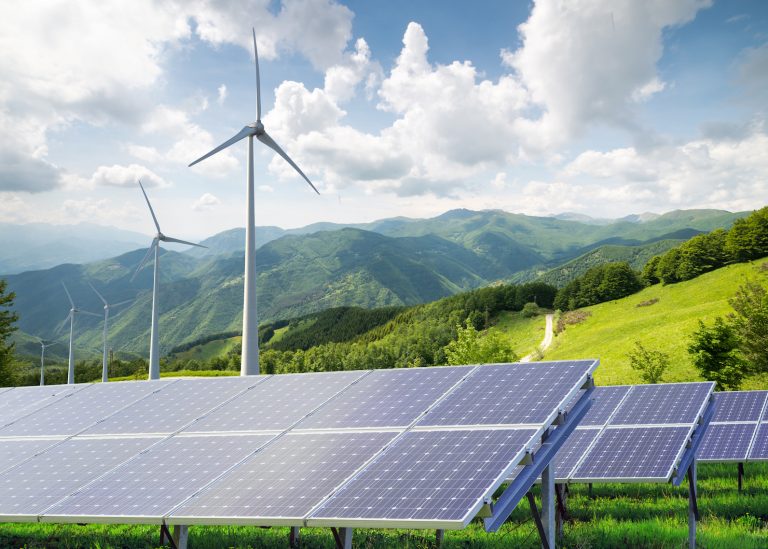
Millions of European families may experience blackouts or be unable to pay to stay warm this winter due to power shortages and sky-high natural gas costs. The European Union (EU) does, however, have specific options at its disposal to assist alleviate this crisis and avert future crises. The EU can and must diversify its fuel sources to ensure that affordable, clean energy is always available. The scarcity of natural gas, which accounted for 22% of power output in the EU in 2019, is the most urgent source of the energy crisis. The EU obtains natural gas directly from Russia via the Nord Stream pipeline, but Russia has reduced supply, driving up costs and raising fears of shortages. Russia believes the lower supply is due to a seasonal shift in which more natural gas is diverted into storage caverns in preparation for increased domestic demand during the winter. The interruption in supplies, on the other hand, coincides with the completion of the Nord Stream 2 pipeline and Russia’s efforts to pressure the EU Commission into supporting the project’s ultimate approval. Because Russia is plainly not a trusted partner, EU member states must take steps to diversify their natural gas sources. Despite the fact that liquefied natural gas (LNG) is more expensive than natural gas delivered by pipeline, member states should seek LNG from the United States and the Middle East to diversify their natural gas supplies. This will help avoid the need to rely on higher-carbon-emitting energy sources like coal and oil to keep the lights turned on. For the past two decades, the EU has been attempting to make a big transition to renewable energy sources, but with limited success. Wind and solar power accounted for less than 20% of EU electricity in 2020, while hydropower accounted for only 13%. Though the percentages are increasing, there is just not enough renewable energy in the bloc at the moment, and when it is available, it is unreliable. Solar power goes out at night, and wind power goes out when the wind dies. Renewables have a significant role to play in the energy environment, but they must be adopted with a realistic understanding of the technology’ current capabilities. Renewable energy generation should be increased in the EU, but not as a substitute for stable, reliable clean energy sources.

, , , , ,

Can the Rise of Green Energy Cause Problems Between Countries in EU Read Post »
Green energy in EU-China relations

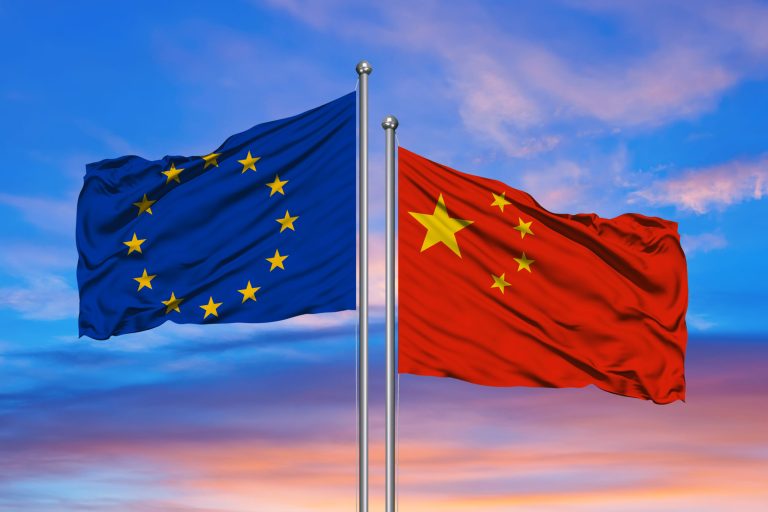
Renewable energy has geopolitical consequences that go beyond the immediate impact on energy and commodity markets. Individual countries’ energy strategies have a variety of economic and political ramifications. This article examines the importance of renewable energy in EU-China relations, as two of the world’s largest renewable energy producers. Both countries’ individual objectives for decarbonization of their domestic energy systems have lately risen, and renewables are playing an increasingly crucial role in shaping their bilateral relations. As a result, we wonder what impact renewable energy has on the connection between the two parties. We use the concept of policy interdependence to capture the effect in four sectors relevant to renewable energy: climate, energy, industry, and trade and investment policy. While these are frequently thought of as independent fields, they are all connected by renewable energy. Renewable energy has the potential to be a factor of bilateral ties, according to the findings. In the past, renewable energy helped the EU and China align more closely, but today’s increased reliance on policy choices based on national goals raises barriers to further cooperation. However, the patterns of policy interdependence shown in this study point to the possibility of renewed cooperation in the sphere of energy policy, assuming policymakers’ ability to see beyond the current structure of bilateral ties. The case of renewable energy in EU-China ties demonstrates that renewables are becoming an increasingly important and powerful influencer of bilateral relations’ nature. Because of the technological differences between renewables and fossil fuels, many classic geopolitical factors may not apply in RE geopolitics. However, policy interdependence between the EU and China in the sphere of renewable energy demonstrates that renewables co-determine bilateral interactions beyond the immediate energy and material flows between individual countries. As the instance of the EU and China demonstrates, RE policies interact, resulting in more alignment and proximity on the one hand, as well as increased competitiveness and frictions on the other. As a result, the advancement of RE has the potential to “de-geopolitize” international relations, allowing states to move beyond “zero-sum” thinking in their pursuit of energy security. However, RE is not immune to worldwide competition, as seen by the growing struggle over the establishment of industrial standards in RE, as well as trade and investment.

, , , ,

Green energy in EU-China relations Read Post »

Scroll to Top